
How Pachinko Actually Works: A Beginner's Guide
Steel balls, spinning drums, jackpot modes and the launch rhythm that separates regulars from tourists — the whole game, explained in eight minutes.
 Yuki Tanaka
28 Sep
2026
8 min read
Yuki Tanaka
28 Sep
2026
8 min read
Pachinko looks like beautiful chaos from the rail. Underneath it sits one of the most elegantly mechanical games ever made — and once you see the structure, you'll never watch the balls the same way again.
The machine, explained in one paragraph
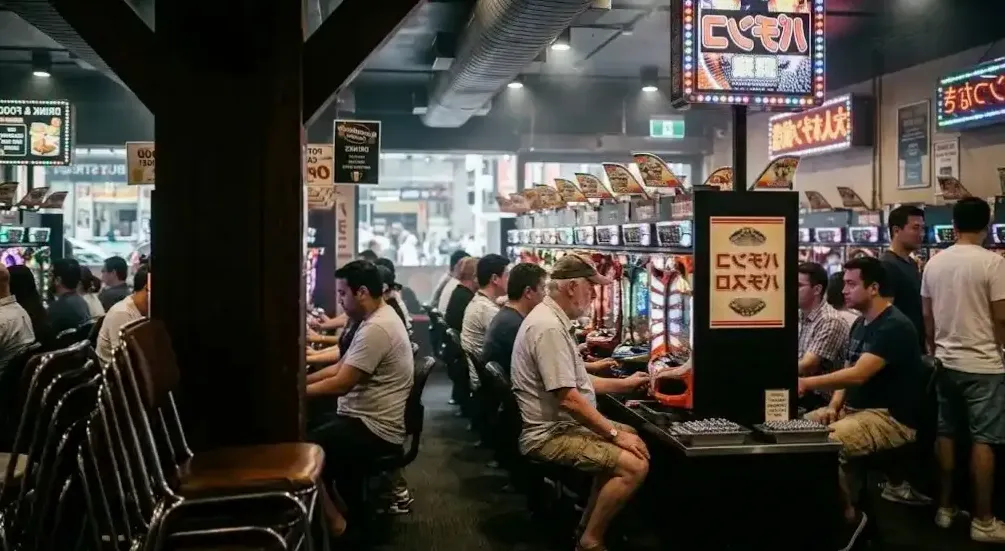
A pachinko machine is a vertical playfield studded with brass pins. You launch small steel balls — tama — from the bottom right using a dial that controls launch strength. Balls cascade through the pins, and the ones that reach the start pocket near the centre trigger a digital draw on the machine's screen.
Think of it as a pinball machine crossed with a lottery ticket: your launch strength decides which lanes the balls take, the pins do the physics, and the screen does the drama. Every draw is a chance at a payout mode — and that mode is where the real game lives.

Reach, fever and the payout modes
When two of three symbols match on a draw, the machine enters reach — a dramatic near-miss sequence where the third symbol decides everything. Hit it, and the machine enters a payout mode: the jackpot pocket opens and every ball that drops in pays out more balls.
Modern digital machines run multiple payout modes — short bursts, long fevers, probability-shifted encore rounds. The skill isn't in winning; it's in recognising which mode a machine is cycling through and knowing when to stay and when to walk.
"Pachinko rewards patience, not force. The best players in our lounge win by rhythm, not by luck."
Your first session, step by step
Here's the actual playbook we'd give a friend on their first visit — the same sequence our free lessons follow:
- Start on a classics machine — simpler paytables, gentler pace.
- Hold the dial at half strength and let the machine show you its lanes.
- Watch for reach sequences — they tell you the machine's rhythm.
- Set a tray budget before you sit down and stick to it.
- When a machine enters fever mode, that's your moment — stay loose.
That's genuinely it. Forty-five minutes with a coach and you'll read a playfield the way regulars do — come try the free beginner lesson if you want it hands-on.
FROM THE FLOOR
Every champion on our board started by not understanding a single light on the machine.
Written by
Yuki Tanaka
Head coach at Pachinko Luck Lounge. Spent six years working parlour floors in Osaka before moving to Melbourne — teaches the free beginner lessons every Tuesday.
If you only remember three things
01
Start on a classics machine — simpler paytables, gentler pace.
02
Watch for reach sequences — they tell you the machine's rhythm.
03
When a machine enters fever mode, that's your moment — stay loose.
More from the journal
Enjoyed this? Get the next one
Weekly journal posts — guides, culture and venue news, no spam.
Learn it hands-on tonight
The free 45-minute lesson covers everything in this guide — machine, tray and coach included.