From Nagoya to Southbank: A Short History of Pachinko
How a 1920s children's toy became Japan's biggest pastime — and how it finally reached Melbourne a century later.
 Daniel Whitfield
21 Sep
2026
7 min read
Daniel Whitfield
21 Sep
2026
7 min read
The machine you're playing tonight has a hundred years of history inside it — candy shops in Nagoya, postwar black markets, the rise of the mega-parlour, and a slow, improbable journey to a riverside in Southbank.
Candy shops and the Corinth game
Pachinko's ancestor was the Corinth game, a tabletop ball maze sold in American sweet shops in the 1920s. Japanese shopkeepers shrank it down, stood it upright, and hung it outside candy stores — children played for a sen and won sweets.
By the 1930s the machines had spread through Nagoya's shopping streets. The name came from the sound: pachin, the snap of the spring-loaded launch — the same snap you'll hear tonight in Hall B's classics corner.
The parlour era
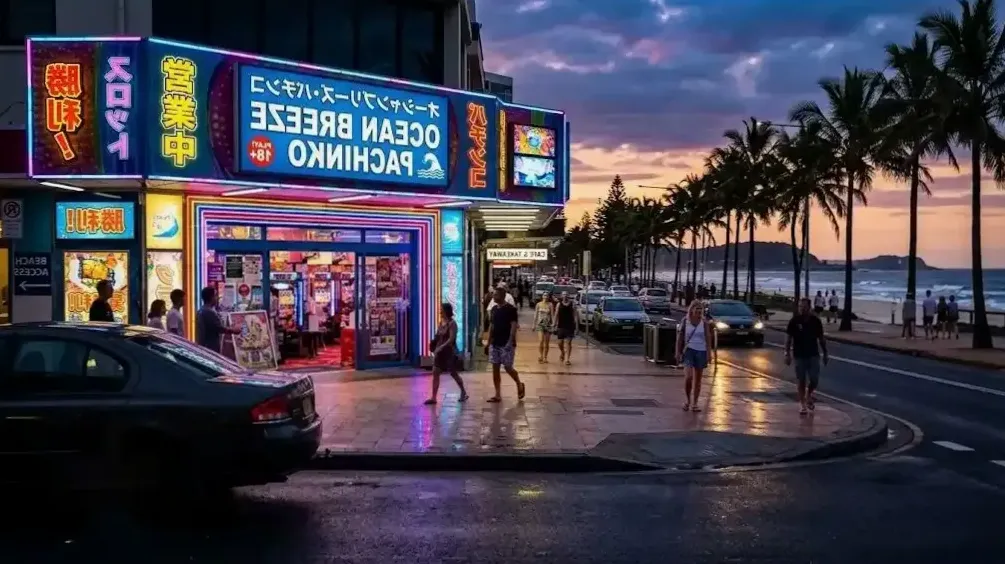
Postwar Japan turned the candy-shop toy into an industry. The first commercial parlour opened in Nagoya in 1948, and within a decade there were thousands. The 1960s added tulip pockets and fever modes; the 1980s brought digital screens and the modern frenzy.
At its 1990s peak, pachinko was a bigger industry than Japan's auto exports. Parlours lined every major street — loud, bright, unapologetic. The games you play at our lounge are direct descendants of that golden age.
"Pachinko survived a century because it never pretended to be anything but play."
How it reached Australia
Pachinko barely existed outside Japan until the 2010s — regulation, machine supply and sheer cultural specificity kept it home. Our founder's notes from opening the lounge in 2016 say it best:
- Australia had no pachinko culture — we had to build one, not import one.
- Every early machine was sourced used from Osaka parlours retiring them.
- The token-and-prize model translated naturally under Victorian law.
- Australians understood the game instantly — they just needed a venue.
- Nine years on, Melbourne has the biggest pachinko community outside Japan.
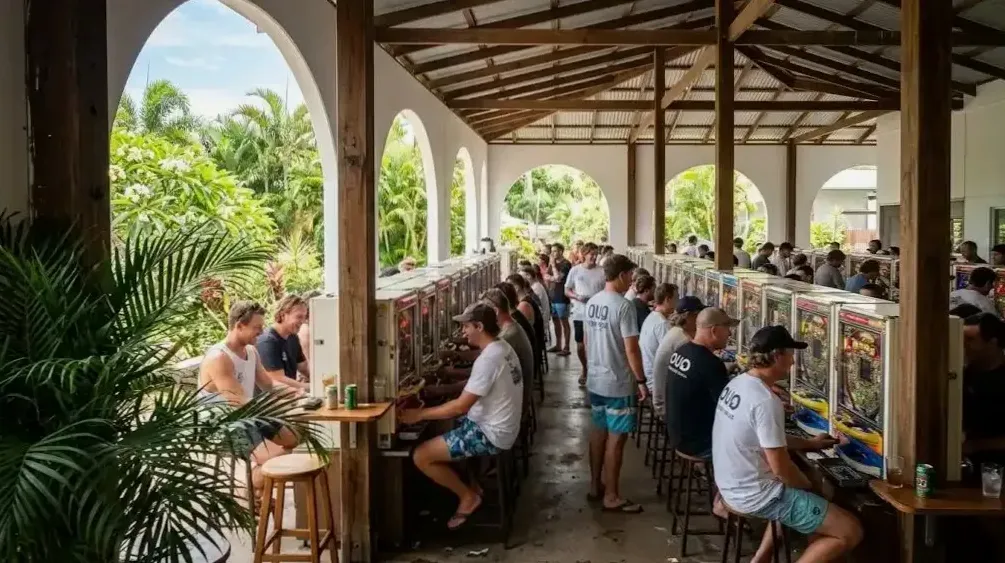
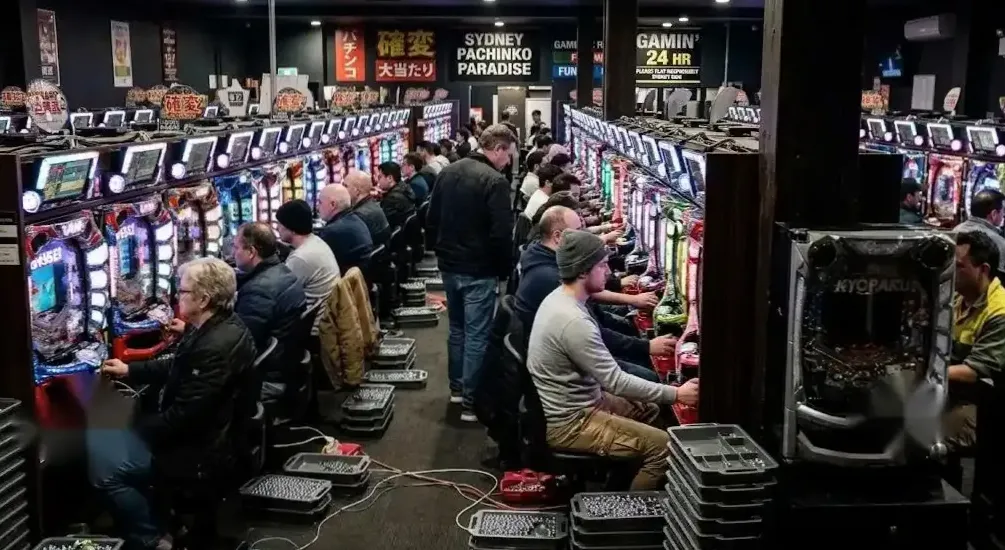
Which brings us to tonight: 180 machines on a Southbank floor, a classics corner full of machines that started life in Nagoya. History you can play.
FROM THE FLOOR
A machine that once rang in a Nagoya parlour now rings on the Yarra.
Written by
Daniel Whitfield
Founder of Pachinko Luck Lounge. Opened the venue in 2016 after a decade of visiting Japanese parlours; still buys machines in Osaka twice a year.
If you only remember three things
01
Australia had no pachinko culture — we had to build one, not import one.
02
The token-and-prize model translated naturally under Victorian law.
03
Nine years on, Melbourne has the biggest pachinko community outside Japan.
More from the journal
Enjoyed this? Get the next one
Weekly journal posts — guides, culture and venue news, no spam.
Play a piece of history
The classics corner has machines that were ringing in Nagoya decades ago — $25 a tray.